Resistors
Resistor 330k Ω
৳2
- Fresh, latest-batch stock — never old shelf stock
- Tested before it ships
- Arrives dead? We replace it
- Same-day delivery in Dhaka · Cash on Delivery nationwide
- See it before you buy: visit our shop at Ansar Ali Sarak, Boat Ghat, East Nurer Chala, Vatara
The Resistor 330k Ω is a 330 kilohm, 0.25W film resistor for circuits that must think in microamps: high-impedance bias for JFET and high-gain input stages, timing legs for long-interval 555 and op-amp oscillators, and the top arm of dividers reading photoresistors or capacitive touch pads. Because it passes so little current it barely loads the node it biases.
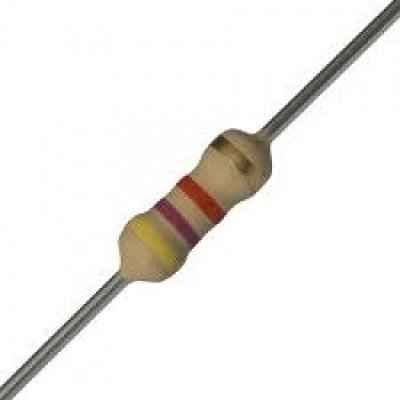
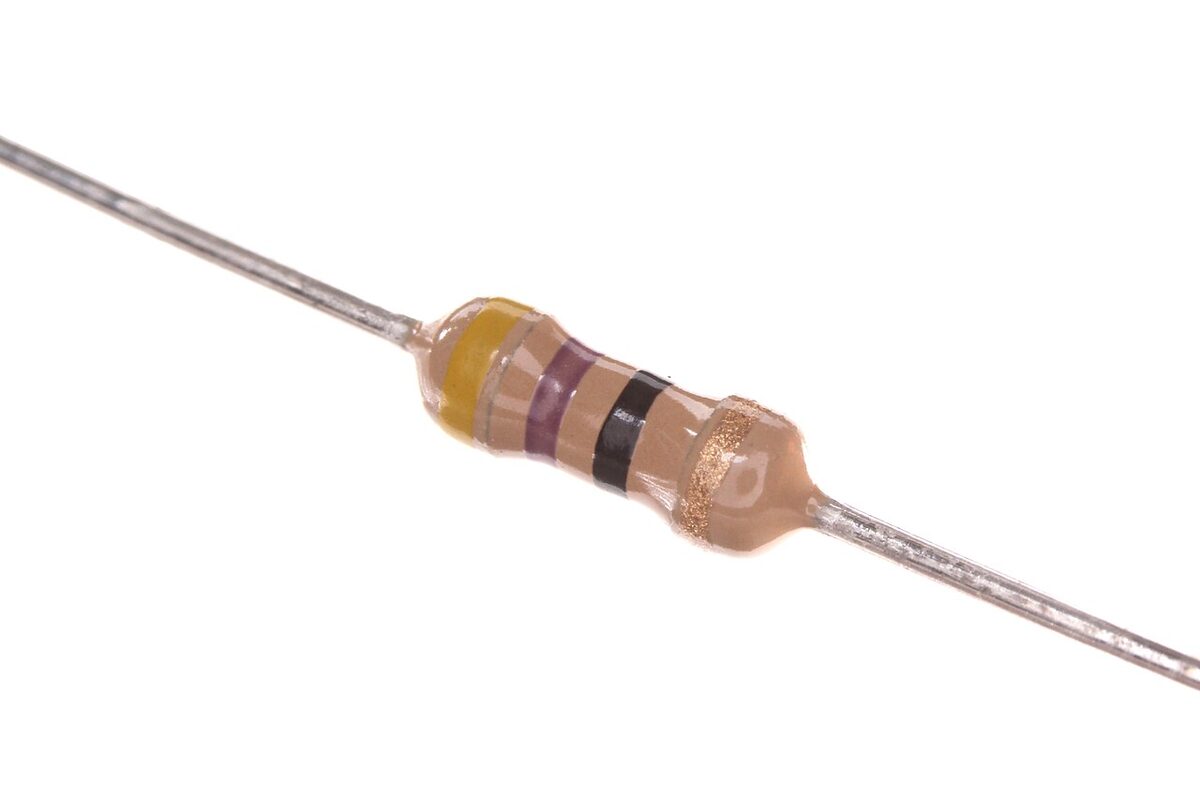
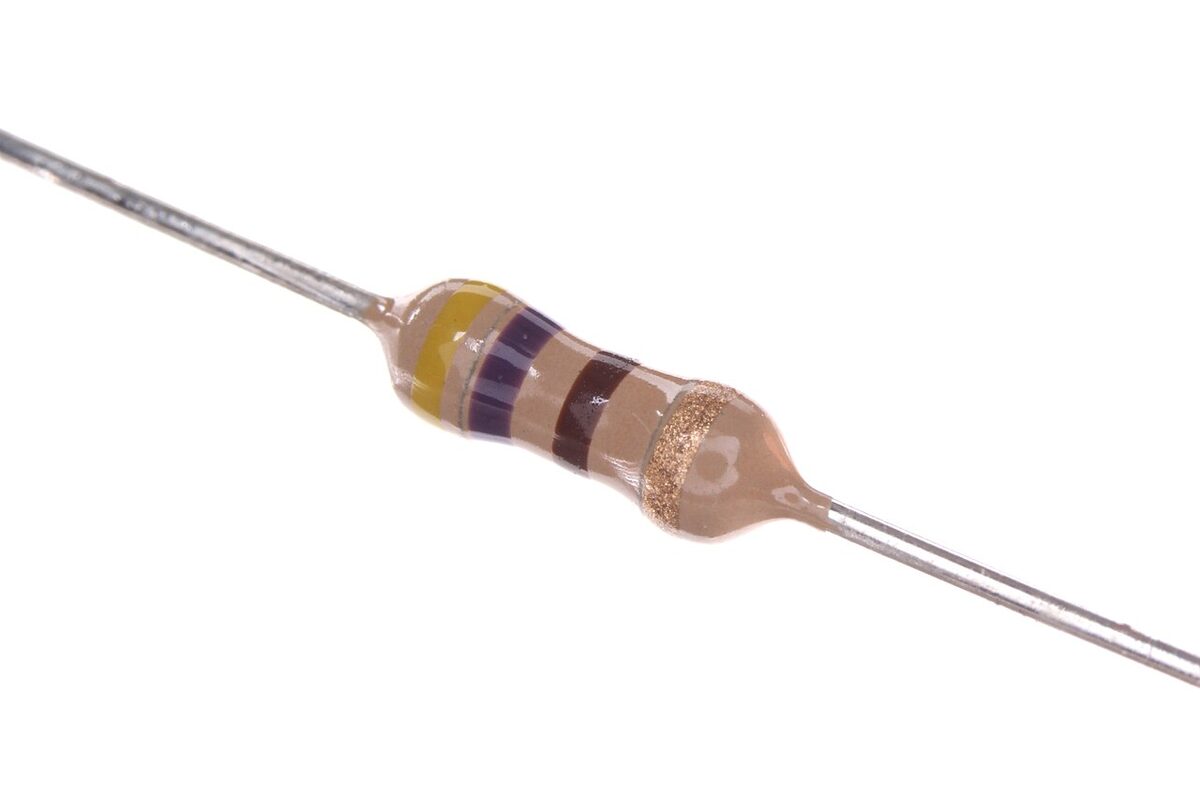
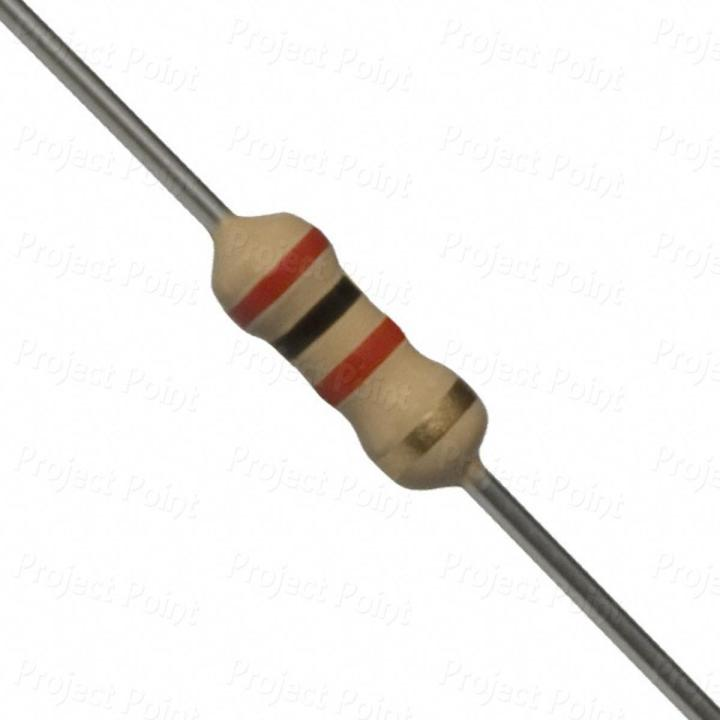
- Bands orange-orange-yellow-gold: 330 kΩ at ±5%
- 250V max working voltage
- Across 12V it draws about 36 microamps and wastes under half a milliwatt
- Axial through-hole, breadboard and 2.54mm grid friendly
At hundreds of kilohms, flux residue and stray paths on a breadboard become noticeable, so keep high-impedance nodes clean.
Not sure it will work? Test your circuit free in Tekko Sim — on your phone, in Bangla or English.
| Category | Resistors |
| Model no. | RES-330K-025W |
| Availability | In stock |
| In stock | 100 pcs |
| Delivery | Cash on Delivery, nationwide Bangladesh |
| Resistance | 330 kΩ (330,000 Ω) |
| Tolerance | ±5% |
| Power Rating | 0.25 W (1/4 W) at 70°C ambient, derate above |
| Type | Film resistor, insulated epoxy coating |
| Temperature Coefficient | approx ±250 ppm/°C |
| Max Working Voltage | 250 V |
| Colour Bands | Orange - Orange - Yellow - Gold |
| Package | Axial Through-Hole |
| Lead Diameter | approx 0.55 mm, pre-tinned |
| Lead Spacing | bends to standard 2.54 mm grid without stress |
| Body Size | approx 2.5 mm diameter × 6.5 mm length |
| Operating Temperature | -55°C to +155°C |
| Quantity | 1 piece per unit ordered |
Customer reviews
No reviews yet — be the first.
Questions about the Resistor 330k Ω
Where does a 330 kΩ resistor earn its place?
In high-impedance bias networks, long-delay 555 timing legs, op-amp feedback for high gain, and divider chains that sense LDRs or capacitive pads without loading them down.
How do the bands Orange-Orange-Yellow-Gold decode?
Orange is 3, orange again is 3, yellow multiplies by 10,000, so 33 x 10,000 = 330,000 Ω, and gold shows the ±5% tolerance.
Why does breadboard leakage matter at this value?
With hundreds of kilohms, stray resistance across rows and flux residue become noticeable. Keep high-impedance nodes clean or move them to perfboard.
How much power does it waste in a divider?
Across 12 V it draws about 36 microamps and dissipates under half a milliwatt, ideal for battery-powered timing circuits.
Can I combine other values to make 330 kΩ?
Yes. 220 kΩ plus 110 kΩ in series, or 150 kΩ plus 180 kΩ, both land on 330 kΩ when a timing calculation demands the exact value.
Is a 470 kΩ part a workable substitute?
For gain and bias roles it usually is after recalculation, but in a 555 timing leg the period lengthens, so check the math before swapping.
More in Resistors
All resistors →