Resistors
Resistor 33k Ω
৳2
- Fresh, latest-batch stock — never old shelf stock
- Tested before it ships
- Arrives dead? We replace it
- Same-day delivery in Dhaka · Cash on Delivery nationwide
- See it before you buy: visit our shop at Ansar Ali Sarak, Boat Ghat, East Nurer Chala, Vatara
The Resistor 33k Ω is a 33 kilohm, 0.25W film resistor, a favourite feedback value. Paired with a 1 kΩ input resistor an op-amp delivers a tidy gain of about 33, matched pairs set the gain of audio and instrumentation stages, and the value also fits mid-range RC filters and sensor dividers.
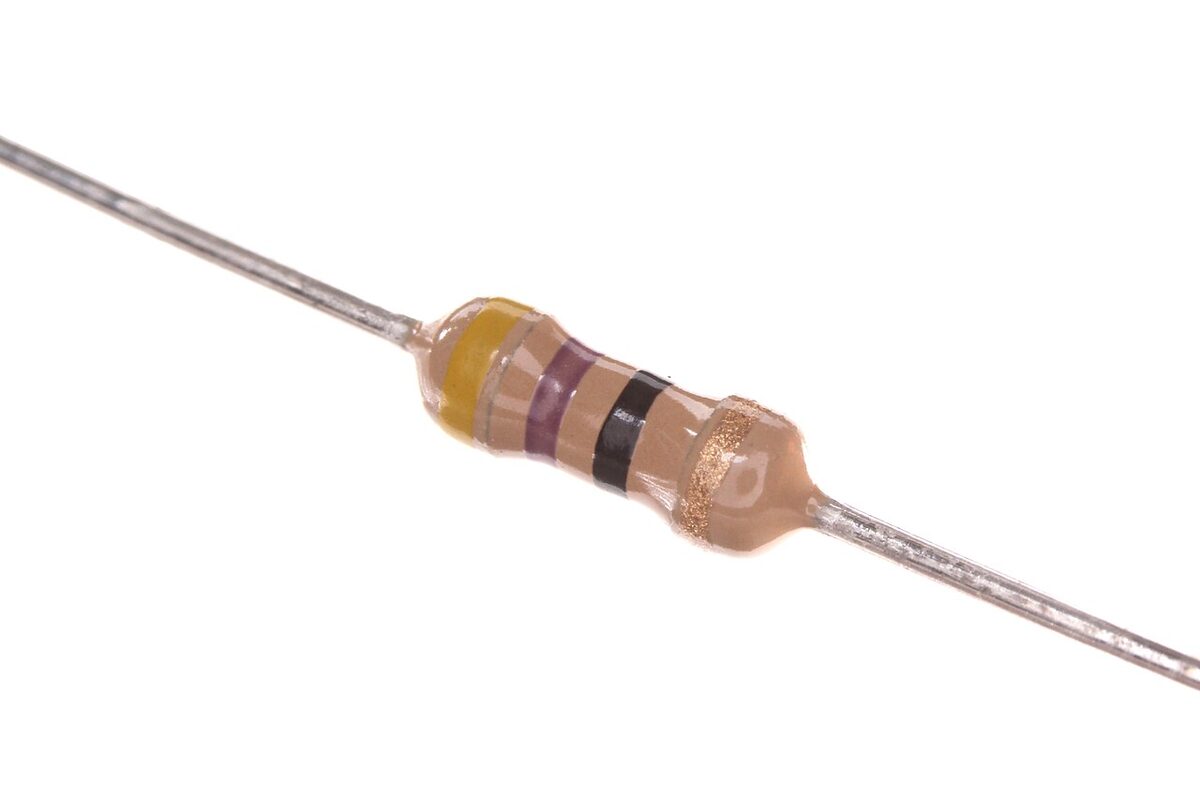
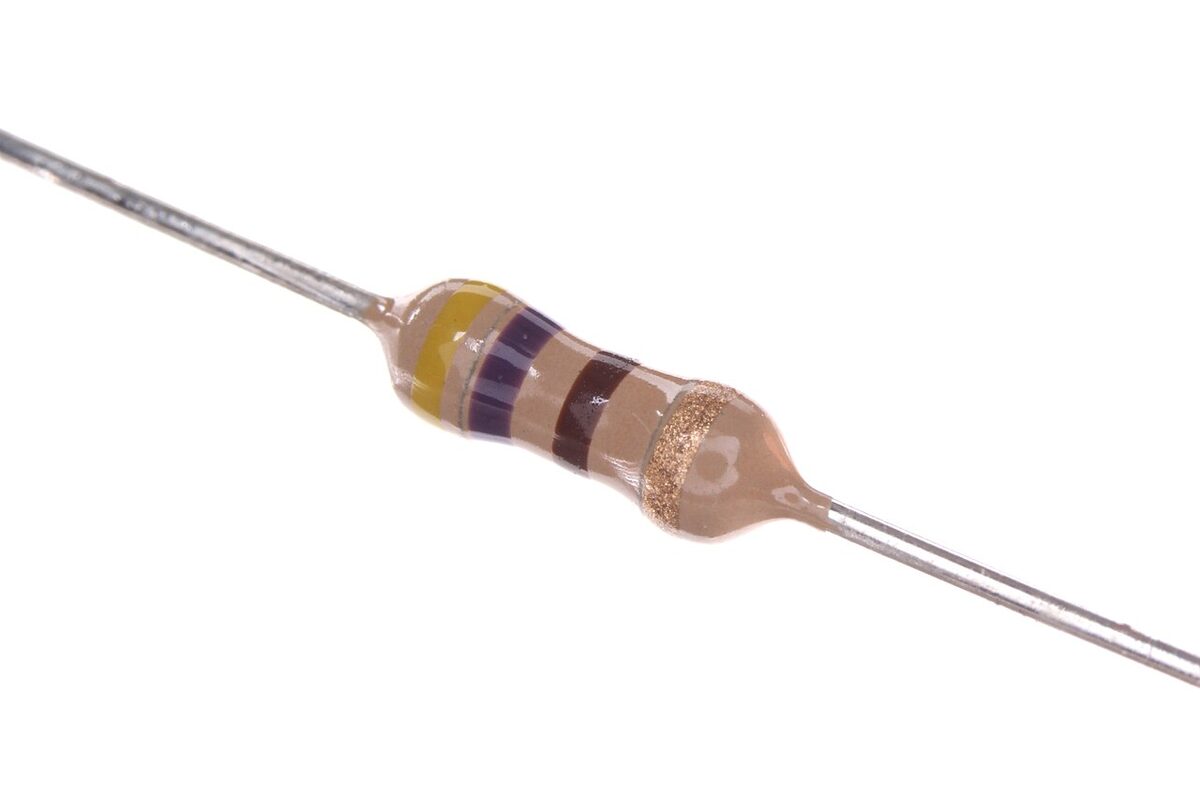
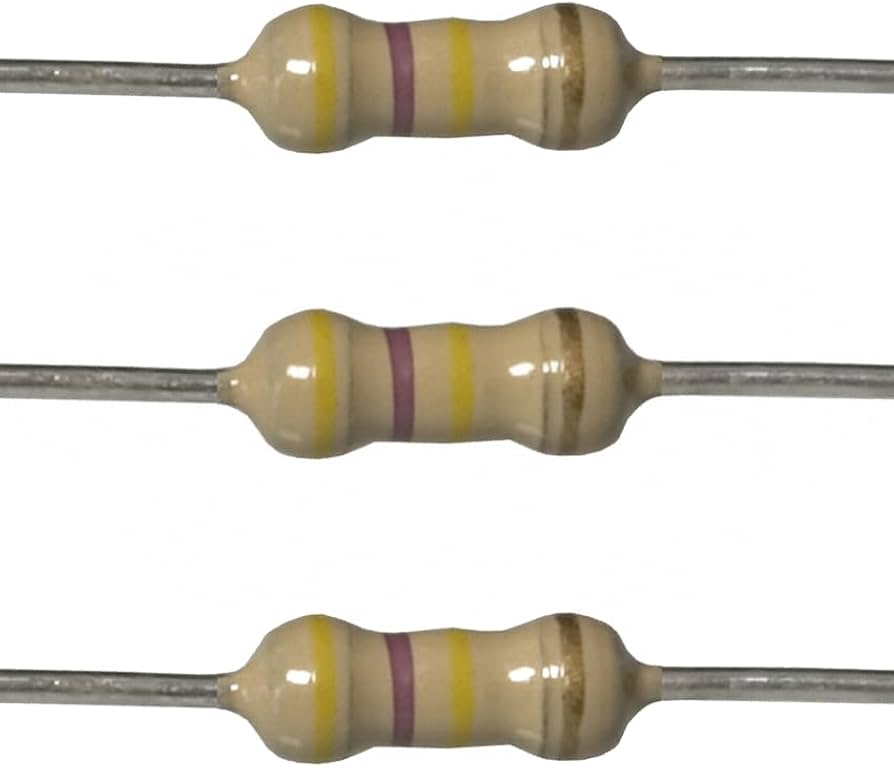
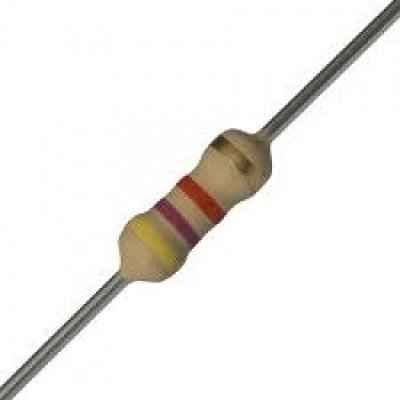
- Bands orange-orange-orange-gold: 33 kΩ at ±5%
- Film element keeps hiss out of audio paths
- 0.25 W rating at 70°C ambient
- Axial through-hole, seats cleanly in breadboard and PCB holes
Sold per piece, so order one for an experiment or a drawer's worth for the term.
Not sure it will work? Test your circuit free in Tekko Sim — on your phone, in Bangla or English.
Resistance: 33 kΩ (33,000 Ω)
Tolerance: ±5%
Power Rating: 0.25 W (1/4 W) at 70°C ambient, derate linearly above
Type: Film resistor with insulated epoxy coating
Temperature Coefficient: approx ±250 ppm/°C
Max Working Voltage: 250 V
Colour Bands: Orange - Orange - Orange - Gold
Package: Axial Through-Hole
Lead Diameter: approx 0.55 mm, pre-tinned copper-clad steel
Lead Form: Straight axial, bends to the 2.54 mm grid without stress
Body Size: approx 2.5 mm diameter × 6.5 mm length
Operating Temperature: -55°C to +155°C
Quantity: 1 piece per unit ordered
| Category | Resistors |
| Model no. | RES-33K-025W |
| Availability | In stock |
| In stock | 100 pcs |
| Delivery | Cash on Delivery, nationwide Bangladesh |
Customer reviews
No reviews yet — be the first.
Questions about the Resistor 33k Ω
What is a 33 kΩ resistor used for?
Setting op-amp and audio-stage gain, forming feedback networks, building mid-range RC filters, and dividing sensor outputs where neighbouring values sit far lower or higher.
How do I read Orange-Orange-Orange-Gold?
Orange stands for 3, so the first two bands give 33, the third orange adds three zeros for 33,000 Ω, and gold marks the ±5% tolerance.
What gain does it give with a 1 kΩ input resistor?
An inverting op-amp stage gains roughly 33 times, which suits microphone and line-level amplification nicely.
How much power does it handle in a divider?
Across 12 V it dissipates under 5 mW, so the 0.25 W rating is never approached in logic and signal work.
Do parallel or series pairs change the behaviour?
Two 33 kΩ in parallel give 16.5 kΩ and two in series give 66 kΩ, so one drawer value covers the neighbours when the exact value is missing.
Does it matter which way round it goes?
No. Resistors have no polarity and behave the same either way.
More in Resistors
All resistors →